Vintage Maps Junk Journal Pages: A Strategic Tool for Creative and Organizational Projects
In the world of creative expression and visual storytelling, tools that inspire innovation are invaluable. One such tool gaining popularity among artists, planners, educators, and entrepreneurs is Vintage Maps Junk Journal Pages. These are more than just decorative elements—they are a means to infuse personality, purpose, and a sense of adventure into your projects. Whether you're building a personal journal, designing marketing materials, or creating content for your blog, these vintage map-themed illustrations offer both aesthetic appeal and strategic utility.
What Are Vintage Maps Junk Journal Pages?
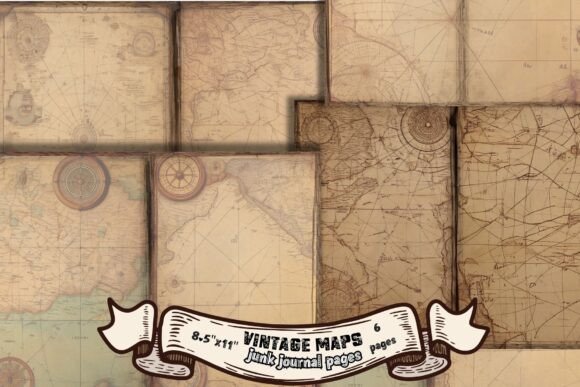
Vintage Maps Junk Journal Pages are high-resolution digital paper designs featuring antique-style maps. This collection typically includes 6 printable pages in JPG and PDF formats, each measuring 11” x 8.5” (300 dpi). They’re ideal for use in junk journals, scrapbooks, invitations, website backgrounds, planner stickers, and various other creative or professional applications. The intricate details and historical charm of these maps provide a unique canvas for layering text, images, and additional embellishments.
These pages are crafted with intention, offering not only visual interest but also thematic versatility. They can represent travel, exploration, planning, or even serve as symbolic metaphors for life’s journey. Their high resolution ensures clarity when printed, making them suitable for both physical and digital crafting projects.
Strategic Use in Creative and Professional Contexts
For professionals and creatives alike, the thoughtful integration of Vintage Maps Junk Journal Pages can enhance branding, communication, and productivity. Here's how:
- Branding & Identity: Incorporating vintage map designs into business cards, packaging, or stationery can create a distinctive brand identity. The nostalgic and adventurous feel appeals to audiences interested in history, travel, or artisanal products.
- Planning & Organization: When used in planners or project management journals, these pages can symbolize goals, milestones, and journeys—both literal and metaphorical. Markers or handwritten notes on a map layout can visually represent progress toward objectives.
- Customer Experience: Customized invitations, place cards, or event signage using these maps add a memorable touch to customer interactions. For instance, a wedding planner might use a vintage map page as a base for a personalized seating chart.
- Content Creation: Bloggers and publishers can leverage these designs in editorial layouts or social media posts to evoke a sense of nostalgia or curiosity. They’re especially effective for travel blogs, historical narratives, or DIY tutorials.
When and How to Use Vintage Map-Themed Digital Papers
The key to maximizing the value of Vintage Maps Junk Journal Pages lies in their intentional application. Consider using them when:
- You want to add a thematic element to a journal or scrapbook centered around travel, exploration, or personal growth.
- You're designing a product that benefits from a rustic or vintage aesthetic, such as handmade stationery or artisanal packaging.
- Your audience appreciates historical references or visual storytelling that connects emotionally with past experiences.
- You need a versatile design asset that works across multiple mediums—print, digital, or hybrid presentations.
To approach these pages strategically, begin by aligning their use with your project's core message. Ask yourself: What does this map represent? Is it a timeline, a roadmap, or simply a backdrop for creativity? Once you have clarity, layer your content accordingly. For example, an educator might print a vintage map page and annotate it with student learning milestones, turning abstract concepts into tangible visuals.
Planning Tips for Effective Integration
Here are some practical tips for incorporating Vintage Maps Junk Journal Pages into your work:
- Define the Purpose: Before printing or downloading, decide what role the map will play. Will it be a background, a central theme, or a subtle design accent?
- Mix and Match: Combine these pages with other textures, colors, and fonts to maintain balance and avoid overwhelming the viewer with too much vintage detail.
- Print Responsibly: Ensure your printer settings match the recommended 300 dpi resolution to preserve the quality of the designs.
- Digitize Thoughtfully: If using these for online purposes like blog headers or website banners, compress files without sacrificing clarity to optimize loading speed.
- Layer Content: Add handwritten notes, photographs, or QR codes to transform static images into dynamic storytelling tools.
Example Use Cases
Imagine a small business owner who runs a boutique travel agency. They could use one of these vintage map pages as a base for a client itinerary. By hand-adding destination highlights and dates, they create a personalized experience that feels both modern and timeless. Another scenario involves a freelancer using these pages as part of a vision board or goal tracker—marking out career paths or upcoming projects on the map to visualize progress over time.
Potential Risks and How to Avoid Them
While these pages are powerful, they can become counterproductive if used without clear context. For example, applying a vintage map randomly in a corporate report may confuse readers rather than engage them. Similarly, overusing the same design in different projects can dilute its impact and make your work appear disjointed.
To avoid these pitfalls:
- Align with Brand Voice: Ensure the vintage aesthetic complements your overall tone and messaging. A tech startup may find these pages better suited for a retro-themed side campaign than for core branding.
- Test with Your Audience: Before full deployment, test how well the design resonates with your target demographic. Gather feedback to determine whether the style enhances or distracts from your message.
- Avoid Overdesign: Let the map serve as a foundation, not a focal point. Too many overlays can detract from the clean, elegant look that makes these pages special.
Long-Term Value and Decision-Making Guidance
Choosing to incorporate Vintage Maps Junk Journal Pages isn't just about short-term aesthetics—it's about investing in long-term creativity and adaptability. These pages can evolve with your projects. Start with a simple journal layout today and expand into complex branding assets tomorrow. Their reusable nature allows for consistent visual language across diverse outputs, which is essential for maintaining brand recognition.
From a decision-making standpoint, consider the following:
- Will this design support my current and future goals?
- Does it align with the values and interests of my audience?
- Can I repurpose this resource across platforms or campaigns?
- Am I using it to enhance user engagement or simplify information delivery?
By answering these questions honestly, you’ll ensure that your use of vintage map pages remains purposeful and impactful. Rather than being a random flourish, they become a meaningful component of your creative strategy.
Enhancing Creativity and Productivity
For hobbyists and professionals seeking to boost creativity, these pages act as a springboard. The vintage map motif encourages users to think differently about space, time, and narrative. It's not uncommon for creators to find inspiration in the geography of the design—whether it’s a specific location or a broader concept of journey and discovery.
Moreover, the structured yet open-ended format of junk journaling helps improve productivity. When paired with a clear organizational system, these pages can help streamline thought processes, making it easier to track ideas, goals, or events in a visually engaging way. For instance, a writer might use a map page to outline the geographical settings of a story, while a marketer could use it to plan a regional advertising rollout.
How to Get Started
If you're new to using Vintage Maps Junk Journal Pages, start small. Print one page and experiment with adding personal touches—stickers, washi tape, or written reflections. As you become more comfortable, explore advanced uses like embedding digital content or integrating them into larger design systems. Many users find it helpful to organize their journals by theme, color palette, or purpose to maintain cohesion and usability.
Conclusion
Vintage Maps Junk Journal Pages are more than just beautiful digital assets—they are a bridge between creativity and strategy. When used intentionally, they can elevate your work, connect with your audience on a deeper level, and contribute to long-term success in both personal and professional contexts. Their flexibility, combined with a strong visual identity, makes them a valuable addition to any creative toolkit. So whether you're crafting a personal journal or designing marketing collateral, let these vintage map pages guide your next great idea.